
By Rev. Noriaki Fujimori
On a recent trip to Japan, I visited “Chibaru Shokudō,” an Okinawan restaurant in Okazaki City, Aichi Prefecture, that’s known as “wrong-order restaurant.” Elderly people suffering from Alzheimer’s disease work there.

Jodo Shinshu Buddhism for everyone
By Rev. Noriaki Fujimori
On a recent trip to Japan, I visited “Chibaru Shokudō,” an Okinawan restaurant in Okazaki City, Aichi Prefecture, that’s known as “wrong-order restaurant.” Elderly people suffering from Alzheimer’s disease work there.
By Rev. Ken Yamada
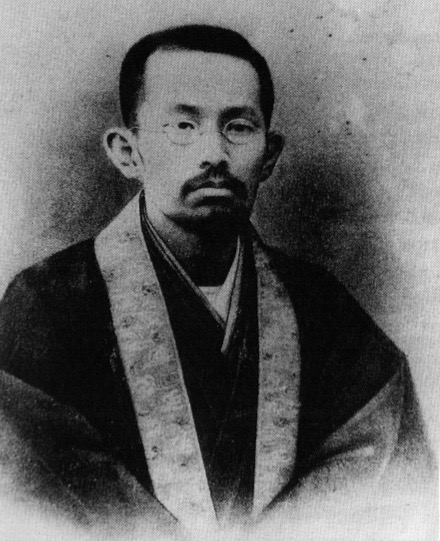
Spiritual awakening takes various routes, depending on the person. Swift and direct, or twisting and turning. Two of Jodo Shinshu’s most important teachers in modern times took such opposite routes.
Daisetz Teitarō Suzuki (1870-1966), absorbed in Zen practice, experienced a profound realization early in life. By contrast, Kiyozawa Manshi (1863-1903) struggled for years, delving deep into philosophy before awakening to spiritual truth. Continue reading “Kiyozawa: From Philosophy to Awakening”

Rev. Hachiya Yoshikiyo (1880- 1964) liked to say, “We must understand the greatness of Rennyo Shonin.” That’s interesting because some people considered Hachiya Sensei to be the second coming of Rennyo. Continue reading “Remembering Hachiya Yoshikiyo-sensei”
By Rev. Ken Yamada
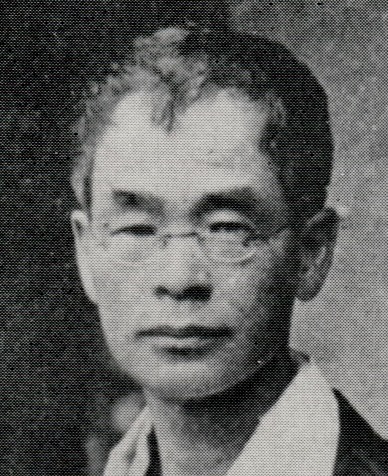
Two of the most influential Buddhist thinkers in modern times led vastly different lives. Daisetz Teitarō Suzuki gained world-renown as a Zen expert, traveled widely, and lived to a ripe old age. Manshi Kiyozawa failed to reform institutional Jōdo Shinshū, died relatively young and unknown outside Japan. Yet, they have much in-common. Both clarified and explained Jōdo Shinshū in modern terms, albeit from different perspectives. Continue reading “D.T. Suzuki: From Awakening to Philosophy”
By Rev. Patti Nakai
A frog jumped in. Bashō became the frog, and he himself jumped into the deepest part of his life. There was the world of nothing but the sound of the splash.
-Rev. Gyoko Saito (from Meditations on Death and Birth, 1983)
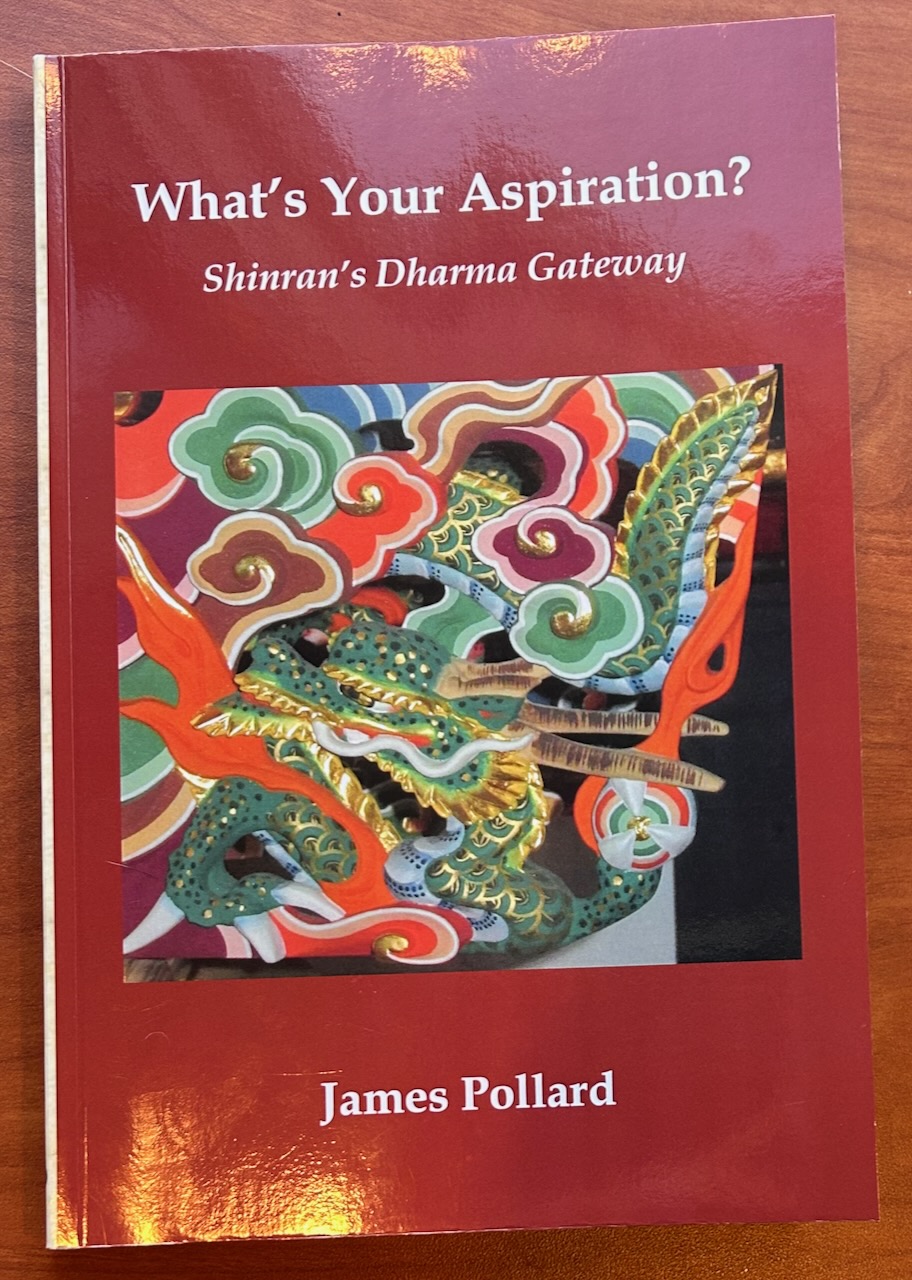
In his recently published book, What’s Your Aspiration: Shinran’s Dharma Gateway, (Anaheim CA: Buddhist Education Center, 2024), James Pollard, a minister assistant at Orange County Buddhist Church, quotes the above passage and focuses on “aspiration” as the gateway to jōdo shinshū (He uses lowercase in identifying Shinran’s teachings as opposed to “Jōdo Shinshū” used by organized sects). Continue reading “Sound of a Splash”
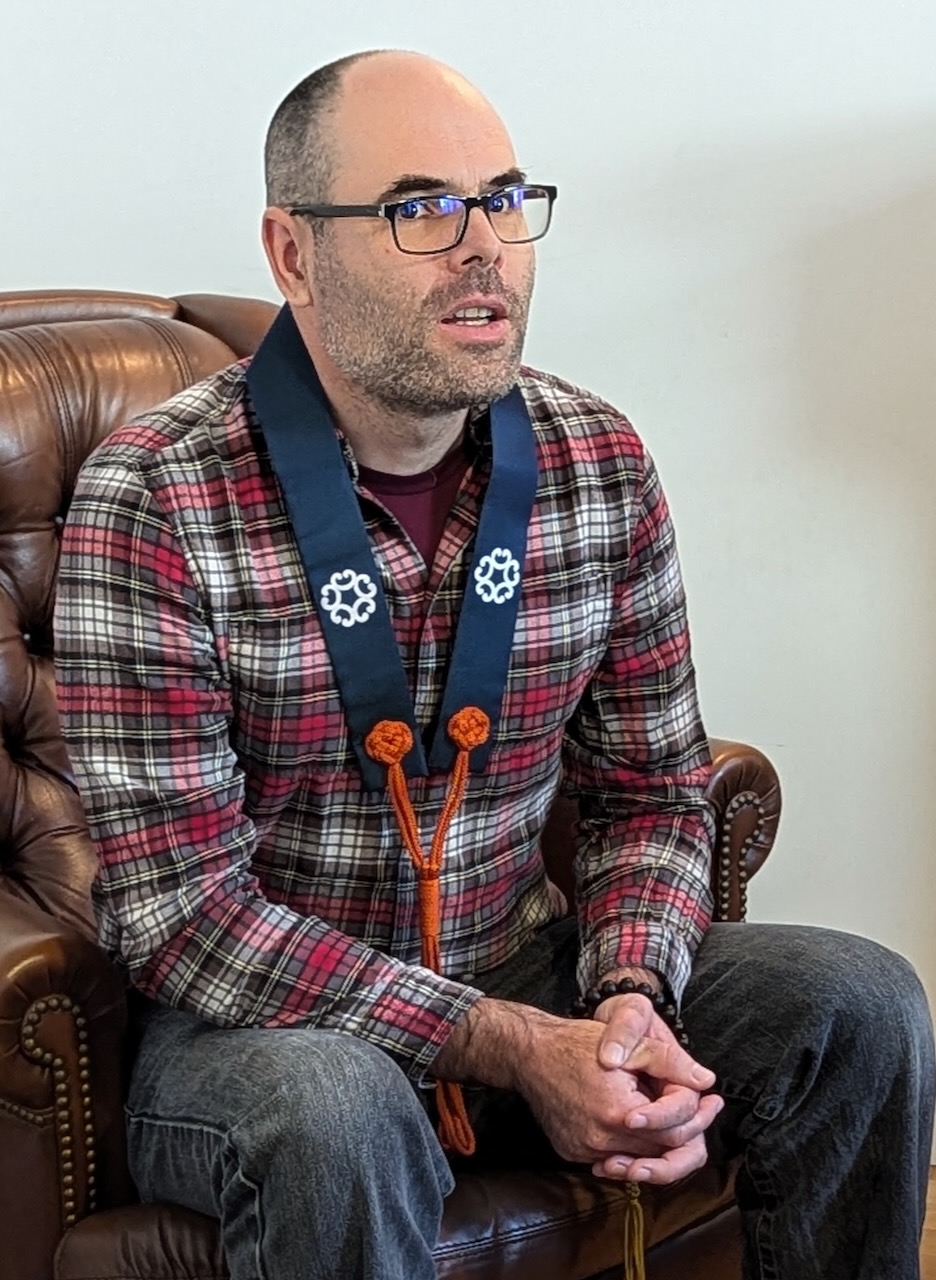
By Julien Le Coz
After 12 years of Zen practice, I hit a dead end. Zen made me demanding of others and myself, and I doubted my ability to do zazen (sitting meditation).
I couldn’t give up Buddhism. I read about Amida Buddha and considered Jodo Shinshu—a tradition I initially disregarded—and found a truly accessible path within reach of anyone. Continue reading “Taking Refuge in Shinshu”